A flat tire rarely happens at a convenient time. In Phoenix, it often shows up in the worst possible conditions, on a heat-soaked freeway shoulder, in a crowded retail parking lot, outside an apartment complex after dark, or halfway through a workday when every minute matters. When drivers search for flat tire repair near me, what they usually need is not just a patch or a spare change. They need fast judgment, safe roadside work, and someone who understands what Arizona roads and temperatures do to tires.
That is where mobile roadside technicians earn their keep. A strong mobile roadside assistance service does more than show up with a jack and a lug wrench. The technician evaluates whether the tire can be repaired, whether it needs replacement, whether the spare is usable, and whether the vehicle is even safe to move. In Phoenix, those details matter. Heat, road debris, underinflation, and long freeway stretches can turn a simple puncture into sidewall damage or a dangerously weakened tire.
For drivers in central Phoenix, the East Valley, and surrounding communities, the value of roadside assistance Phoenix or roadside assistance Gilbert AZ is not abstract. It is immediate. It is getting a stranded parent back on the road before school pickup. It is helping a rideshare driver avoid losing an entire evening of income. It is making sure a traveler on Loop 202 or I-10 is not standing inches from fast traffic trying to loosen overtorqued lug nuts with a factory wrench.
Why flat tires are especially common in Phoenix
Phoenix is hard on tires. The combination of high pavement temperatures, expansion joints, construction zones, potholes, and freeway speeds creates a constant stress test. Even a well-maintained tire can fail early if it has already taken a hit from a nail, a screw, or a sharp edge in the road. Add low air pressure, and the problem accelerates.
During summer, asphalt temperatures can climb far above the air temperature. That heat increases tire pressure while driving, but it also magnifies weaknesses in rubber that is worn, cracked, or previously damaged. A small puncture that seemed manageable in the morning can become a rapid air loss by late afternoon. I have seen drivers make it through several errands with a slow leak, only to find the tire fully collapsed when they return to the parking lot. The tire did not suddenly choose that moment. The conditions finally pushed it past its limit.
Phoenix also has its share of curb impacts and hidden hazards in new development areas. Construction staples, sheet metal screws, and broken landscaping hardware are common culprits. In neighborhoods with active growth, a tire can pick up a puncture on a side street and not show symptoms until the driver is miles away.
What mobile technicians actually do when they arrive
A lot of people picture flat tire assistance as a quick swap to the spare and nothing more. Sometimes it is exactly that. Often, it is more nuanced.
A trained mobile technician starts with the basics: location safety, traffic exposure, vehicle position, and visible tire condition. If the car is parked on unstable gravel, on a slope, or too close to moving traffic, the first challenge is not the tire itself. It is making the scene safe enough to work. In some cases, the technician may need the driver to creep the vehicle a few feet forward to a better surface, if the tire still holds enough shape to do so without causing wheel damage.
Next comes inspection. If the puncture is in the center tread area and the tire has not been driven flat for long, there is a chance a temporary roadside repair may be possible, depending on company policy and the exact damage. If the sidewall is torn, the shoulder is punctured, the bead is unseated, or the tire has deep internal damage from being driven on with no air, repair is off the table. At that point, the best option is usually installing the spare or arranging towing if no usable spare exists.
This is where experience matters. Two tires can look equally flat to the owner, while one is a simple puncture and the other is structurally done. A good roadside technician explains the difference clearly. That prevents the driver from making a risky decision, such as trying to “just add air” to a tire that should never go back into service.
The difference between a simple tire change and real roadside support
There is a reason many people who first search emergency roadside assistance near me end up looking for a full-service provider rather than the cheapest possible option. Price matters, but so does capability.
A basic tire change service may be enough if the spare is inflated, accessible, and the lug nuts are not seized. But many real-world calls are messier. The spare is buried under luggage. The lock key for the wheel lugs is missing. The vehicle has aftermarket wheels torqued far beyond spec. The car is parked in a garage with very little jack clearance. The driver does not know whether the spare is a full-size wheel, a temporary donut, or flat itself.
A stronger emergency roadside assistance provider handles those complications without turning every surprise into a dead stop. That includes verifying spare condition, using proper lifting points, checking visible tread and damage on the spare, and advising the driver on how far and how fast the temporary tire can safely be used. On many vehicles, especially heavier SUVs and trucks, getting this wrong can create a second roadside problem within a few miles.
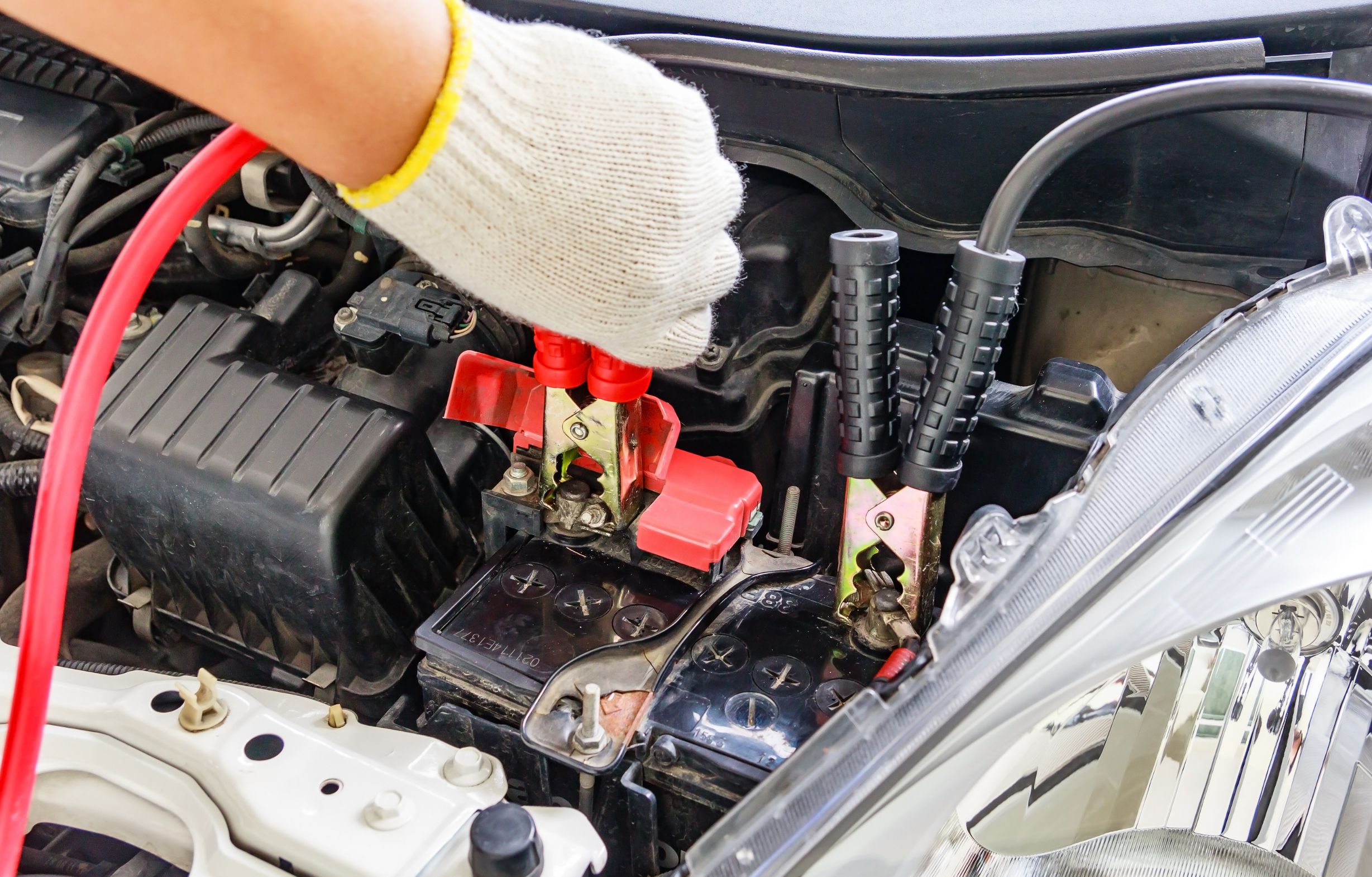
The best mobile help also recognizes when the flat tire is only part of the issue. I have seen a “flat tire” call become a battery problem after the driver leaves the hazard lights on for an hour in extreme heat. That is why providers who also offer jump start service near me or car jump start service are often more useful than single-task operators. Breakdowns tend to stack.
What to expect when you call for flat tire repair near me
When drivers request roadside assistance near me, the quality of the response often depends on the information they provide in the first minute. The dispatcher or service coordinator is trying to send the right technician with the right tools, and accuracy speeds everything up.
These details usually matter most:
Your exact location, including nearby cross streets, business names, or freeway exit numbers. Whether the car is in a traffic lane, on a shoulder, in a garage, or in a parking lot. Whether you have a spare tire, and if so, whether you know its condition. The vehicle make and model, especially if it is low-clearance, lifted, or heavily loaded. Any other issue beyond the flat, such as a dead battery, lockout, or no fuel.Those five details can shave a surprising amount of time off the response. In Phoenix, where service areas are broad and traffic patterns change quickly, a technician who arrives prepared can solve the issue much faster than one forced to improvise.
Timing in Phoenix is about more than convenience
A delayed response is frustrating anywhere, but in Phoenix it can also become a safety issue. Summer heat changes the urgency of roadside service. A driver stuck in a disabled vehicle at 3:00 p.m. In July faces a different kind of risk than a driver with the same problem on a mild winter morning.
That is one reason emergency breakdown service needs to be judged by more than advertised arrival times. Communication matters. If a provider gives a realistic ETA, confirms the vehicle description, and advises the driver on where to wait safely, that is already a sign of professional operation. Empty promises are worse than honest timing.
When a vehicle is on the shoulder of a busy road, many technicians will advise the driver to stay buckled inside the vehicle if it is safe to do so, especially when stepping outside would place them close to traffic. In a parking lot or residential street, waiting in the shade nearby may be the better move. The right answer depends on the environment, and a seasoned dispatcher or technician should say so plainly.
Not every flat tire can be repaired on the spot
This is one of the most misunderstood parts of the job. Many drivers search flat tire repair near me expecting every tire to be fixable where it sits. Sometimes yes, often no.
A puncture in the tread area from a nail or screw may be repairable if the tire has enough remaining life and has not been compromised by extended driving while deflated. But a sidewall cut, a large hole, a split shoulder, or cords showing through the inner structure usually means replacement, not repair. If the tire was driven while nearly empty for several miles, internal heat and sidewall flex may have damaged it even if the outside looks manageable.
This is where an honest mobile technician is worth more than a fast one. A rushed or careless repair can fail later at freeway speed. No reputable provider should gamble with that just to complete the call.
If a roadside repair is not appropriate, the technician typically moves to the next best solution, installing the spare, inflating it if possible, or coordinating a tow to a tire shop. The driver may be disappointed at first, but a clean explanation usually wins trust. Most people would rather hear the truth than get sold a shortcut.
The spare tire problem nobody talks about enough
In practice, one of the biggest obstacles in roadside assistance Phoenix calls is not the flat itself. It is the spare tire that has been ignored for years.
Temporary spares lose pressure over time. Full-size spares get borrowed and never returned. Tire tools disappear after a brake job. On some newer vehicles, there is no spare at all, only an inflator kit that is useless for a sidewall blowout. Drivers often discover this only when they are already stranded.
A mobile technician can sometimes work around these issues, but not always. If there is no usable spare and the damaged tire cannot be repaired on scene, towing becomes the only safe option. This is why a good mobile roadside assistance provider often offers more than one service line. The same company handling tire issues may also be able to coordinate transport, a battery boost, or lockout help without forcing the driver to start over.
How roadside calls turn into other services
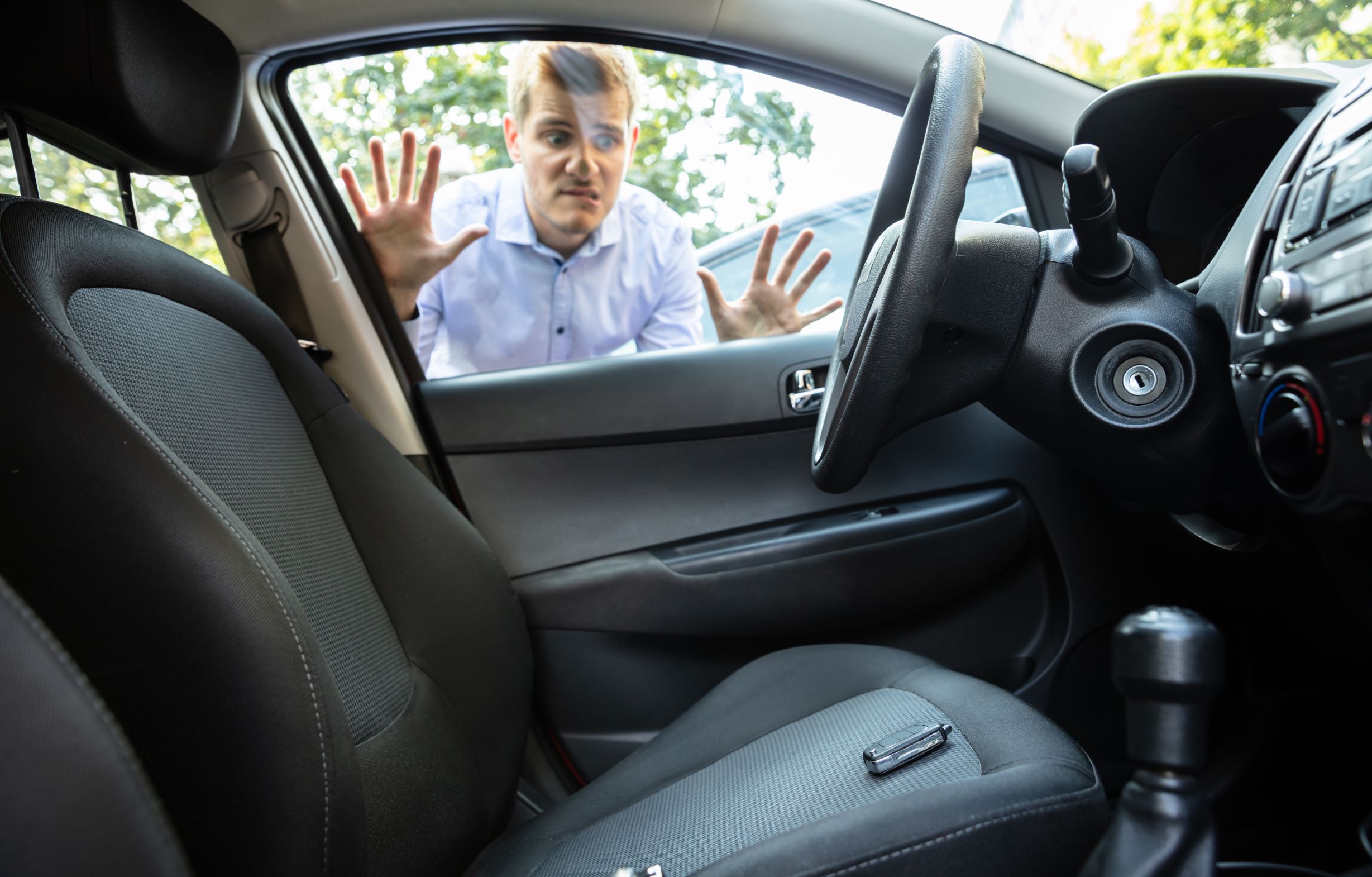
Vehicle trouble tends to snowball. A driver steps out to inspect a flat, leaves the lights on, and later needs a car jump start service. Someone runs out of gas after circling for help and starts searching fuel delivery near me. Another driver grabs the keys from the seat, closes the door, and suddenly needs car lockout service near me or vehicle lockout service on top of the tire change.
That overlap is normal. The best roadside operators are prepared for it. In a single shift, a technician might handle a tire swap in north Phoenix, an emergency fuel delivery call in Tempe, and a battery jump in Gilbert. The driver sees one isolated crisis. The technician sees patterns and carries tools for the common combinations.
For customers, this matters because it changes who is worth calling. A provider focused only on one narrow service may leave you stranded when the situation evolves. A broader emergency roadside assistance operation can pivot without adding another long wait.
Phoenix neighborhoods and road conditions shape the service call
A flat near downtown Phoenix is different from a flat in a master-planned community in Gilbert or on an outer beltway with little shade and fast-moving traffic. That geography affects both response strategy and repair decisions.
In dense city areas, access is often the issue. Tight parking garages, valet lanes, apartment structures, and event traffic can slow even a nearby technician. In suburban parts of the East Valley, distance is usually the bigger factor. A call for roadside assistance Gilbert AZ may involve a long drive between neighborhoods, especially during peak commuting hours.
Freeway calls create a different challenge entirely. On a wide shoulder, there may be room to work, but the danger from passing traffic is higher. On a narrow shoulder, the technician may decide that a tire change is unsafe until the vehicle can be moved or traffic support is present. Drivers do not always like hearing that, but it is the correct judgment. No tire change is worth a serious roadside injury.
What a good technician notices that drivers often miss
The average driver focuses on the obvious problem, the tire is flat. The technician looks for the cause and the consequences.
They check whether the tire wear suggests chronic underinflation. They notice a bent rim lip that may prevent a proper seal. They spot a bubble in another tire that has not failed yet but may soon. They see torn valve stems, damaged TPMS sensors, or mismatched tire sizes on the same axle. Those observations matter because they can explain why the flat happened and whether the vehicle is safe to continue after the immediate fix.
I have seen cases where a driver was ready to head straight back onto the freeway after a spare installation, unaware that another tire had cords showing on the inside edge. Without that second look, the first emergency would likely have become a second one before the day ended.
When calling roadside assistance is smarter than doing it yourself
Many drivers are perfectly capable of changing a tire in a driveway. That does not mean they should do it on the roadside in Phoenix conditions.
A shoulder next to traffic is not a training ground. Neither is a dark parking lot with uneven pavement. Add heat, limited tool leverage, or a heavy SUV, and the risk climbs fast. Lug nuts tightened by impact guns can be nearly impossible to break loose with factory tools. Some jacking points are easy to miss or damage. One slip can crack trim, bend metal, or knock the vehicle off the jack.
Calling roadside assistance near me is often less about ability and more about environment. The job changes when there are semis passing at 70 mph or pavement hot enough to burn your hand through thin gloves.
How to choose the right roadside service in Phoenix
Not all roadside companies operate at the same standard. The best fit is usually a provider that combines local familiarity with practical range, meaning they know Phoenix traffic patterns, common vehicle issues in the heat, and how to handle the East Valley as well as central corridors.
Look for a company that communicates clearly about response time, asks good questions, and can handle adjacent problems like battery boosts, lockouts, and fuel service. If they also offer jump start service near me, fuel delivery near me, and vehicle lockout service, that is often a sign they are set up for real roadside conditions rather than one-off jobs.
Price should be transparent, but the cheapest quote is not always the best value. A lower fee means little if the provider cannot safely complete the work, lacks proper equipment, emergency roadside assistance or disappears when the issue turns out to be more than a simple spare change.
A few practical steps that help before the technician arrives
There are a handful of things drivers can do that genuinely improve the outcome without creating extra risk:
Move to the safest nearby spot you can reach without damaging the wheel further, if the tire is not fully collapsed. Turn on hazard lights and keep your phone charged if possible. Locate the spare and wheel lock key, if your vehicle has one. Stay aware of your surroundings, especially if you are near moving traffic. Avoid driving farther on a fully flat tire unless you are in immediate danger.Those simple steps help the technician work faster and reduce the odds of turning a repairable puncture into a destroyed tire and wheel.
The real value of on-the-spot help
What mobile technicians provide is not just convenience. It is problem-solving under pressure. They arrive at moments when the driver is stressed, often late, sometimes overheated, and not always sure what failed. The work is mechanical, but the service is situational. It requires caution, speed, communication, and judgment.
For Phoenix drivers, that matters because local conditions punish hesitation and bad decisions. A mobile roadside technician who understands tire damage, spare limitations, traffic exposure, and desert heat can turn a miserable interruption into a controlled, manageable stop. Whether the immediate need is flat tire assistance, emergency roadside assistance near me, or a broader emergency breakdown service, the goal is the same: get the driver safe first, then get the vehicle moving again if it can be done responsibly.
That is why so many people searching flat tire repair near me are really looking for something broader and more valuable. They want someone who can show up, assess the situation correctly, and solve the problem on the spot when possible. In Phoenix, that kind of roadside help is not a luxury. It is a practical service built for the way real breakdowns happen.
Our Sponsor
EZ3 Roadside Rescue Services
EZ3 Roadside Rescue Services is a Gilbert-based roadside assistance provider serving drivers throughout Gilbert and the greater Phoenix, Arizona area. The company provides fast, professional roadside assistance for common vehicle emergencies, including flat tire repair and tire changes, battery jump starts, emergency fuel delivery, vehicle lockout assistance, lug nut removal, battery replacement, and emergency breakdown assistance. EZ3 Roadside Rescue Services is available 24/7 to help stranded motorists get safely back on the road.
Address:
922 N Colorado St,
Gilbert,
AZ
85233,
United States
Phone: (480) 710-5902
Business Hours:
- Open 24/7 — Emergency Roadside Assistance Available
Follow Us: